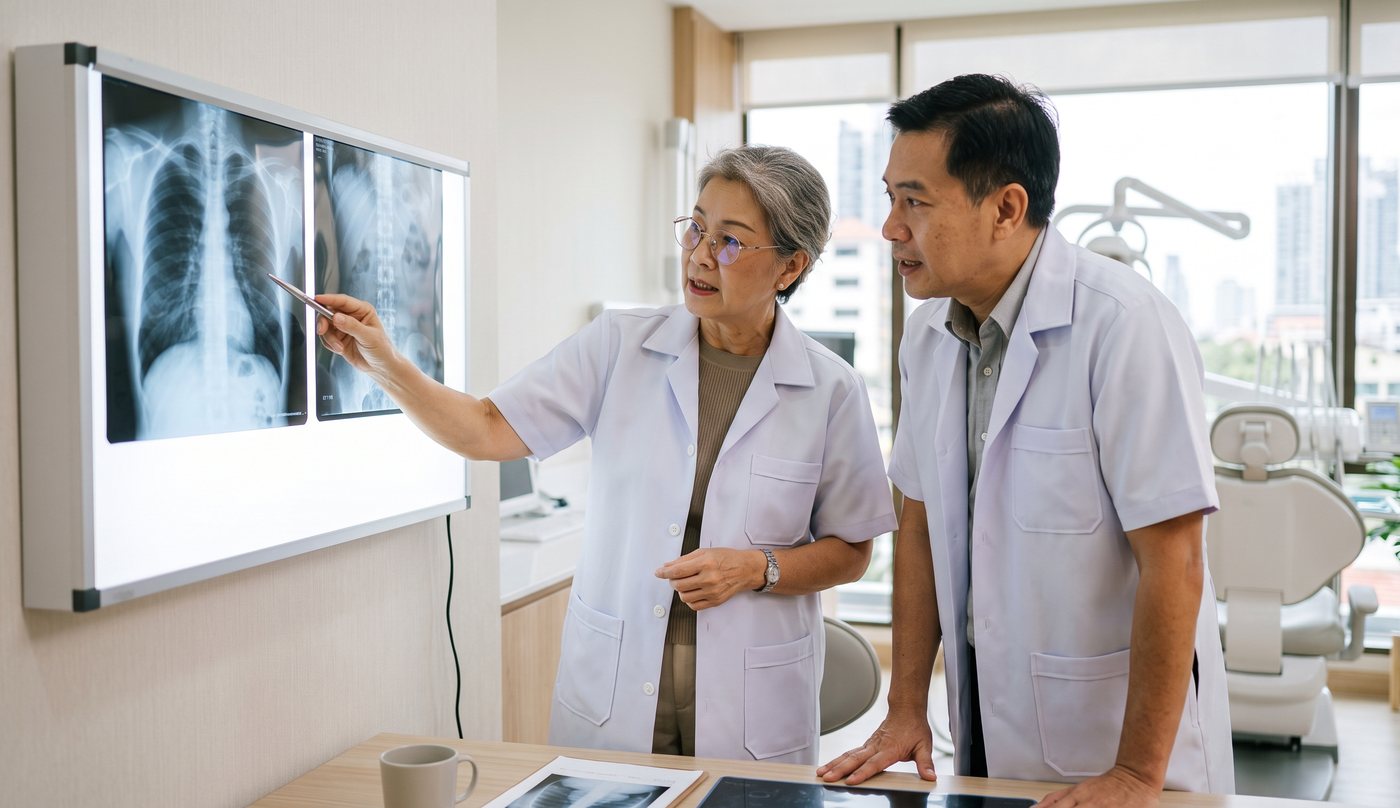
An American we know developed an infection in his foot that had reached the bone. Bangkok Hospital Hat Yai told him the toe had to come off, and quoted a minimum of 280,000 baht, more if there were complications. He got a second opinion at Prince of Songkla University Hospital. They confirmed the diagnosis independently and did the operation for 35,000 to 40,000 baht.
He noticed redness and swelling in his foot and started on antibiotics he had with him. They were not strong enough. By the time he reached a hospital the infection had gone into the bone and the small toe had separated.
Bangkok Hospital Hat Yai x-rayed the foot, confirmed the bone involvement, and told him the toe and the infected bone had to be removed or he risked losing the foot. They were right about all of that. Then they quoted him a minimum of 280,000 baht, with the warning that complications would push it higher.
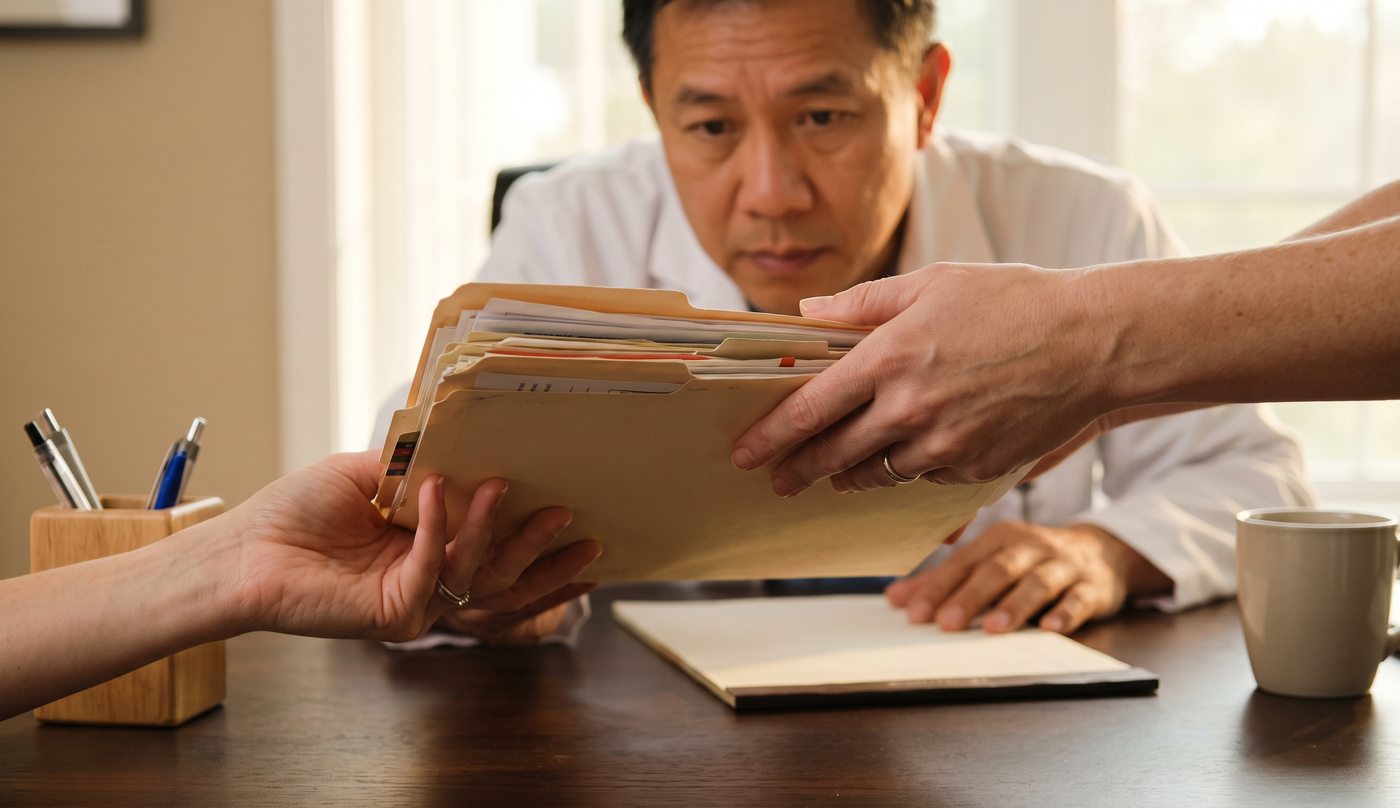
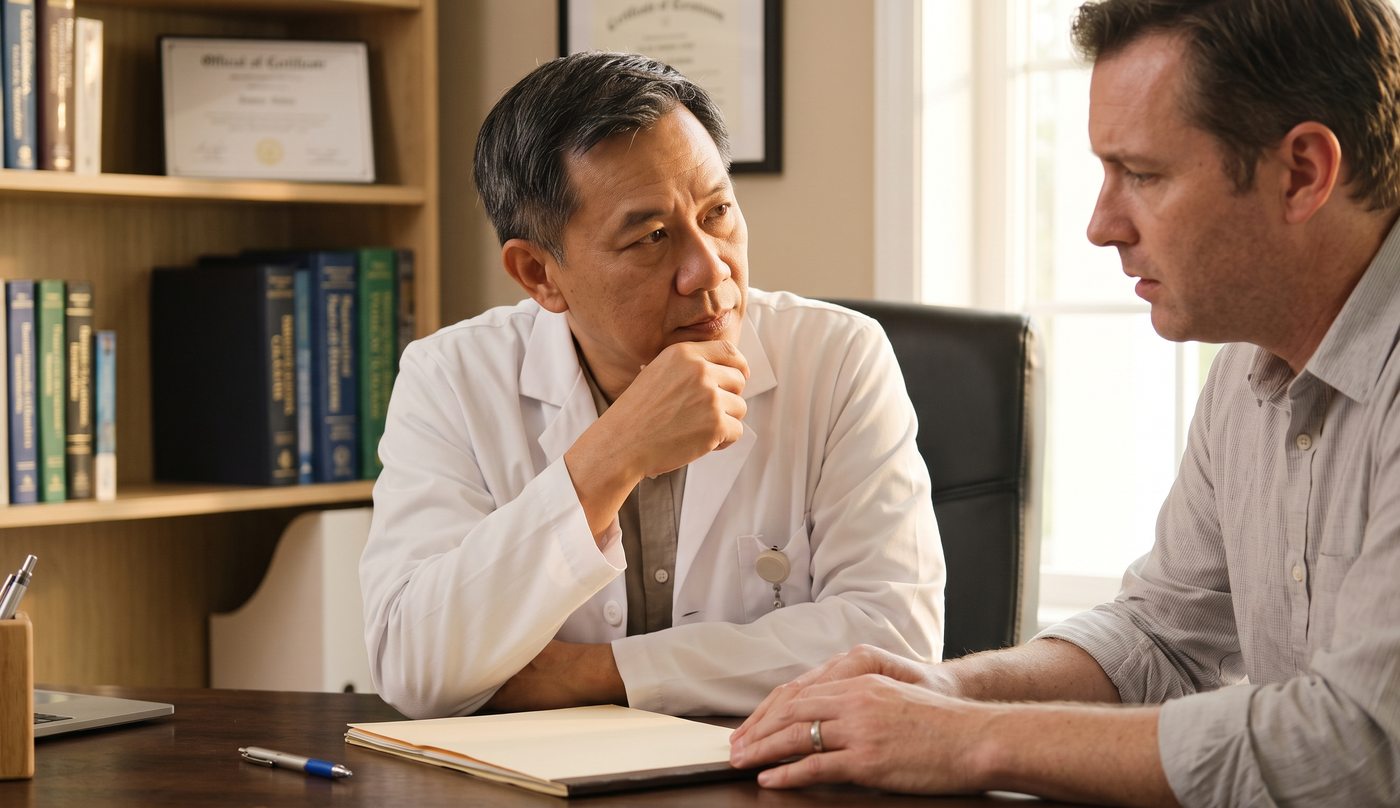
He and his wife decided to get a second opinion before agreeing. They went to Prince of Songkla University Hospital, in the same city. Without any knowledge of what Bangkok Hospital Hat Yai had said, the doctors there examined him, confirmed the bone was infected, and told him he needed surgery immediately. Their quote was 35,000 to 40,000 baht.
| The same operation | Prince of Songkla University Hospital | Bangkok Hospital Hat Yai | Difference |
|---|---|---|---|
| Removal of an infected toesame patient, same week, same diagnosis | 35,000–40,000 baht | 280,000 baht minimum | ~86% less |
| In US dollarsat the rate of the time | about $1,050–1,200 | about $8,400 | — |
He had the operation that day and went home the same evening, returning daily for dressing changes and intravenous antibiotics. A few weeks later he had a second, smaller procedure to close the wound, and was told to expect three to four weeks before returning to work.
Two sets of doctors, working independently, reached the same clinical conclusion. Nobody was overtreating him and nobody missed anything. The difference between 280,000 baht and 40,000 baht was not a difference in medicine — it was a difference in what kind of institution he had walked into.
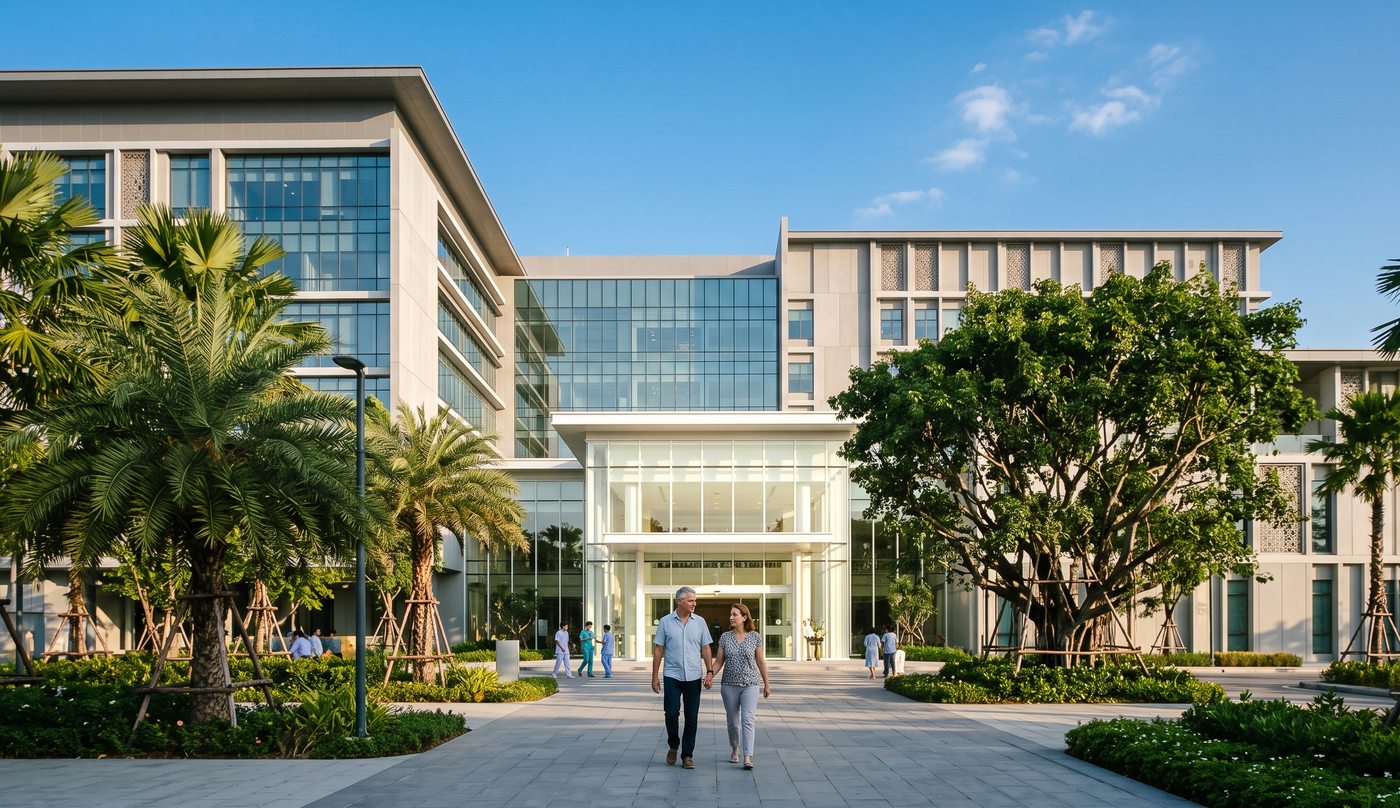
The private hospital chains — the ones with the international patient desks, the English websites and the airport pickup — are excellent, and they are what every medical tourism site writes about, this one included. Alongside them sit university teaching hospitals and provincial hospitals, where a great many Thai doctors were trained and where a great many of them still operate. They cost a fraction as much. Almost no foreigner ever gets near them, because there is no English website, no international desk, and nobody at reception who speaks your language.
That gap is most of what we do.
You give things up. There may be no private room, no English-speaking coordinator, longer waits for non-urgent things, and buildings that look institutional rather than hotel-like. For a straightforward operation with a clear diagnosis, that trade is often worth 240,000 baht. For complex surgery where you will be in a bed for a week and need to understand everything being said to you, the private hospital may genuinely be the better call. We will tell you which we think it is, for your case.
This is advice we would give you even if you never spent a baht with us.
A second opinion in Thailand costs somewhere between nothing and a few thousand baht, and you can usually have it within a day or two. There is no referral to obtain and no insurer to persuade. Compared with what it can save you — in money, and occasionally in avoiding an operation you did not need — it is the single highest-value thing you can do before agreeing to surgery anywhere.
It is also worth doing in the other direction. If you have been told at home that you need a major operation, sending your scans and notes to a surgeon here costs very little and sometimes changes the answer. We have no interest in you flying out for something you do not need.
We will not tell you a hospital is wrong. We are not doctors and we do not second-guess clinicians. What we will do is get you in front of a second qualified one, quickly, with your records translated and your imaging in their hands — and then leave the medicine to the people qualified to practise it.
You pay the hospital directly. We never mark up your medical bill and we take no commission from any hospital — which is exactly why we can send you to the cheaper one without it costing us anything.
For a second opinion that means finding the right specialist at the right kind of hospital, getting your records and imaging to them beforehand, taking you there, and translating throughout. At a university or provincial hospital, that last part is not a convenience — it is the difference between being able to use the place and not.
Think about the arithmetic in the story above. A second opinion that took a day saved 240,000 baht, roughly US$7,300. That is not a marketing example. It is what happened.
The case on this page is the clearest illustration we have of what Thai healthcare actually offers: the same medicine at wildly different prices, available almost immediately.
Thailand’s university teaching hospitals train the country’s doctors, including many who go on to practise at the famous private hospitals. Care at a good provincial or university hospital is not a lesser grade of medicine. It is frequently the same doctors.
A second opinion within a day or two, with no referral and no pre-authorisation. That is fast enough to get one before agreeing to surgery — which is the only point at which a second opinion is any use.
At a private hospital you get the room, the coordinator and the comfort. At a university hospital you get the medicine without the trimmings. We tell you honestly which one your situation calls for, rather than the one that pays better.
Both quotes in writing, before you decide anything. The gap between them is yours to keep.
Between nothing and a few thousand baht, depending on the hospital and the specialty, and you can usually be seen within a day or two. There is no referral process and no insurer to persuade. Given what it can save, it is the highest-value thing you can do before agreeing to any operation.
The university teaching hospitals train the country's doctors, including many who later practise at the famous private hospitals. The medicine is frequently identical. What differs is the surroundings, the English-language support and the waiting for non-urgent things — not the standard of the surgery.
You are paying for the building, the private room, the international patient department, the English-speaking staff and the convenience. Those are real things and for some patients they are worth the money. They are not, however, medicine — and it is worth knowing which part of the bill is which.
Yes, and it is cheap to do. Send your scans and your surgeon's letter and a specialist here will review them. Sometimes it confirms what you were told; sometimes it does not. We have no interest in you flying out for an operation you do not need.
No. We are not clinicians and we do not second-guess them. What we do is get you in front of a second qualified doctor quickly, with your records translated and your imaging in their hands, and let the two professional opinions speak for themselves.
Send us the quote and the diagnosis. We will get you a second opinion from a qualified specialist here, usually within a couple of days, and you can decide from there.